
The Complete Guide to Hickory Stripe Fabric: History, Weaving, Workwear, and Modern Style
Hickory Stripe: From Railroad Uniforms to Modern Workwear Icons
TL;DR
Hickory stripe is a tough, breathable cotton fabric defined by narrow, high-contrast stripes—most often indigo on white—born on American railroads and built for hard wear. It differs from Wabash (printed dots) and from denim and chambray in weave, weight, and aging. Today, it lives on in classic workwear silhouettes and thoughtful Japanese reinterpretations. Buy it for summer-to-shoulder-season wear, expect honest fading, and care for it simply.


Why Hickory Stripe Still Matters (and Why I Keep Coming Back to It)
I’ve worn hickory stripe long enough to know its quirks. It creases where you bend. It lightens where the sun hits your shoulders. It feels cool in July and still makes sense layered in October. It’s not flashy, but it has presence. When you put it on, you’re stepping into a fabric with a job to do—and a memory of people who needed their clothes to last.
This is the complete guide I wish I had years ago. No fluff. Just what it is, where it came from, how it’s made, how it ages, and how to wear it now.
What Is Hickory Stripe Fabric?
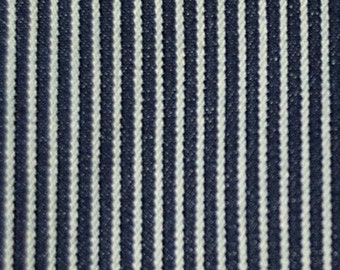
Hickory stripe is a woven cotton fabric characterized by narrow vertical stripes, traditionally indigo blue on white. Unlike printed patterns, the stripes are created in the weave, which gives the fabric structure and longevity.
What it’s not:
- Not Wabash stripe (those are dots, printed with discharge).
- Not denim (no twill diagonal dominance or heavy weight).
- Not chambray (lighter, usually with colored warp and white weft for a heathered look).
Hickory stripe sits in a sweet spot: sturdy without being heavy, graphic without being loud.
Railroad Roots: Why the Stripes Existed at All
Hickory stripe is inseparable from American railroad labor in the late 19th and early 20th centuries. Engineers, brakemen, and conductors wore it for practical reasons:
- Visibility: High-contrast stripes made workers easier to spot around moving equipment.
- Durability: Tight weaving handled abrasion better than plain shirting.
- Dirt camouflage: Oil and soot blended into the pattern instead of staining solid colors.
It wasn’t about style. It was about coming home in one piece.
For a deeper dive into early workwear history, see this overview from the Smithsonian’s National Museum of American History:
https://americanhistory.si.edu/collections/subjects/workwear
Hickory Stripe vs. Wabash Stripe (They’re Cousins, Not Twins)
This gets confused all the time, so let’s clear it up.
Hickory stripe:
- Pattern is woven
- Narrow vertical stripes
- Typically indigo/white
- Fades gradually and evenly
Wabash stripe:
- Pattern is printed (discharge)
- Dotted stripe effect
- Ink wears away over time
- More dramatic aging contrast
If you want to explore both side by side, this breakdown is helpful:
https://www.heddels.com/2018/10/guide-wabash-denim-history-fabric/
Weave Structure, Fabric Weight, and Hand Feel
Most traditional hickory stripe uses a plain or broken twill weave, lighter than denim but tighter than chambray.
- Typical weight: 6–9 oz
- Breathability: High
- Structure: Holds shape without stiffness
- Hand feel: Dry at first, softens with wear
This is why hickory stripe shines in jackets, shirts, and overalls—pieces that move with you.
Traditional Colorways (and Why Indigo Wins)
The classic look is indigo on white, and there’s a reason it stuck:
- Indigo fades honestly.
- White amplifies contrast.
- The fabric tells your story faster.
Other historical and modern colorways include:
- Black / white
- Indigo / natural
- Brown / ecru
- Gray / white (more contemporary)
Indigo remains king because it changes. That change is the point.
Hickory Stripe vs Denim vs Chambray
Here’s the quick, lived-in comparison:
- Denim: Heavy, diagonal twill, slow fading, rugged weight
- Chambray: Light, airy, subtle texture, summer-first
- Hickory stripe: Midweight, graphic, breathable, seasonless
If denim feels like armor and chambray feels like a shirt, hickory stripe feels like a uniform—on purpose.
How Hickory Stripe Ages Over Time
This is where it gets good.
- Indigo stripes soften and lighten
- White ground warms slightly
- Creases show early and stay
- High-wear areas tell the truth
It doesn’t blow out with wild contrast like raw denim. It settles in. Quietly.
Common Hickory Stripe Garments
Historically accurate pieces that still work today:
- Railroad jackets (chore coats, engineer jackets)
- Overalls and pants
- Work shirts
- Aprons and caps
Each piece carries the pattern differently. Jackets show fades first. Pants crease beautifully. Shirts feel lived-in fast.
You’ll find modern takes and traditional cuts here:
https://japanesedenimjeans.com/collections/hickory-stripe
Japanese Reinterpretations: Respect, Precision, Obsession
Japanese makers didn’t reinvent hickory stripe—they studied it.
What they changed:
- Tighter quality control
- Vintage shuttle looms
- Thoughtful fits
- Subtle fabric tweaks
The result feels familiar but sharper. More intention in every seam.
For broader context on Japanese workwear philosophy, this is a solid read:
https://www.japanalogue.com/japanese-workwear-history/
How to Style Hickory Stripe Today
You don’t need to cosplay a railroad worker.
- Pair a hickory stripe jacket with plain denim
- Wear striped pants with a white tee or chambray shirt
- Keep everything else simple
Let the fabric talk. It knows what to say.
Care, Washing, and Longevity
This fabric doesn’t need babying.
- Wash cold
- Skip the dryer if you can
- Expect mild shrinkage on first wash
- Wear it often
Hickory stripe improves with use. Neglect is part of the charm.
Buying Tips: What to Look For
Before you buy:
- Woven stripes, not printed
- Tight stitching
- Natural indigo if possible
- Reasonable weight for your climate
If you want pieces built by people who care about this stuff, start here:
https://japanesedenimjeans.com/
FAQ
Does hickory stripe shrink?
Yes, slightly. Mostly in length. Wash once before hemming if you’re unsure.
Does it fade like denim?
Yes, but slower and more evenly.
Is it summer-friendly?
Very. One of the best workwear fabrics for heat.
Is it formal?
No. But it’s honest—and that goes a long way.
Final Thoughts
Hickory stripe isn’t trendy. It’s steady. It shows up, does the work, and ages with you. If you’re drawn to clothes that carry weight without trying to impress, this fabric makes sense. It always has.